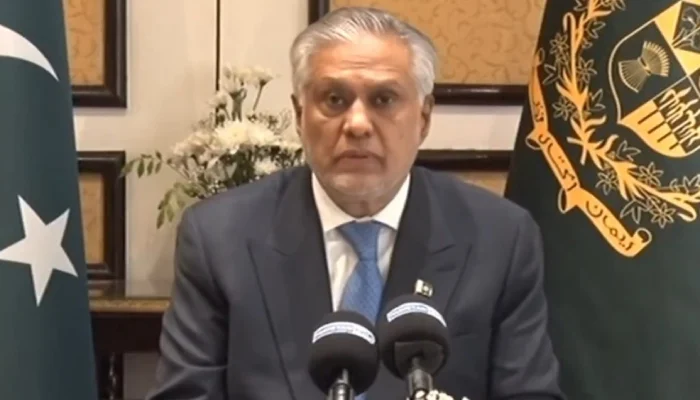
ISLAMABAD, April 12 (Alliance News): Deputy Prime Minister and Foreign Minister Ishaq Dar on Sunday stressed that it was “imperative” for the United States and Iran to uphold their ceasefire commitments, following the conclusion of intensive negotiations in Islamabad that ended without a breakthrough.
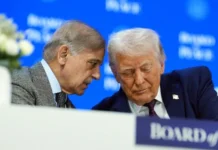
The high-stakes trilateral talks, which lasted nearly 21 hours, concluded with US Vice President JD Vance acknowledging that discussions had failed to produce an agreement.
He described the outcome as “bad news for Iran much more than it is for the United States,” while confirming that Washington had presented what he termed its “final and best offer.”
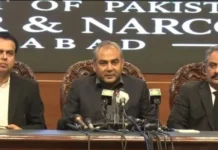
Following the talks, Vance departed Islamabad aboard Air Force Two, where he was seen off by senior Pakistani officials, including Ishaq Dar, Chief of Army Staff Asim Munir, and Interior Minister Mohsin Naqvi.
Addressing the conclusion of the negotiations, Dar expressed gratitude to both delegations for responding to the call of Prime Minister Shehbaz Sharif for an immediate ceasefire and for participating in the Islamabad peace talks.
He noted that the US delegation was led by JD Vance, while the Iranian side was headed by Parliament Speaker Mohammad Baqer Qalibaf.
Dar said Pakistan facilitated multiple rounds of “intense and constructive negotiations” over the past 24 hours, alongside military leadership, including Field Marshal Asim Munir. He appreciated both sides for recognising Pakistan’s mediatory role in achieving the April 8 ceasefire.
Emphasising the way forward, Dar said both sides must maintain momentum and continue engagement in a positive spirit to achieve durable peace.
“It is imperative that the parties continue to uphold their commitment to ceasefire,” he reiterated, adding that Pakistan would continue to facilitate dialogue between Washington and Tehran.
The conflict, which began on February 28 following coordinated strikes involving the United States and Israel on Iranian targets, has caused more than 2,000 deaths and triggered widespread instability across the region. Iran responded with retaliatory actions, including disruption of shipping in the strategic Strait of Hormuz.
Although a ceasefire was reached on April 8 with Pakistan playing a key mediating role, major disagreements remain.
Washington has proposed a 15-point framework focusing on nuclear restrictions, missile controls, sanctions relief, and reopening of the Strait of Hormuz.
Tehran, in contrast, has presented a 10-point plan seeking full sanctions removal, greater control over the waterway, and recognition of its nuclear rights.
Despite the lack of an agreement, the international community has welcomed Pakistan’s diplomatic efforts, viewing Islamabad’s role as crucial in de-escalating tensions and keeping dialogue channels open for a potential long-term settlement.