ISLAMABAD, April 11 (Alliance News) — Prime Minister Shehbaz Sharif on Saturday reiterated Pakistan’s firm commitment to playing a proactive mediatory role in promoting regional and global peace, as Islamabad hosted high-level diplomatic engagements aimed at easing rising tensions in the region.
Appreciating Iran’s constructive participation in the ongoing Islamabad Talks 2026, the prime minister emphasized that Pakistan would continue to extend its “good offices” to facilitate dialogue and help build momentum toward meaningful and lasting outcomes. He stressed that peaceful engagement and diplomacy remain the only viable path to ensuring stability in an increasingly complex geopolitical environment.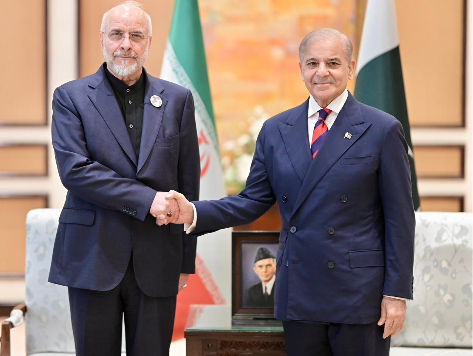
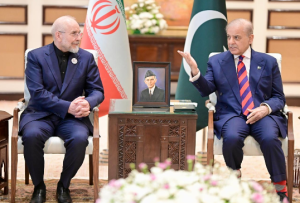
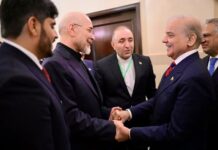
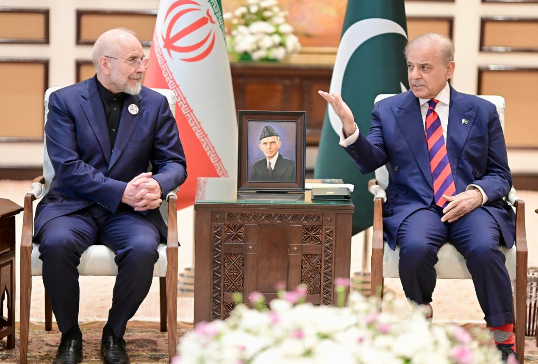
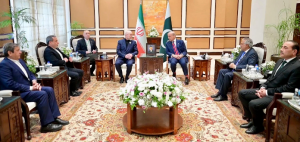
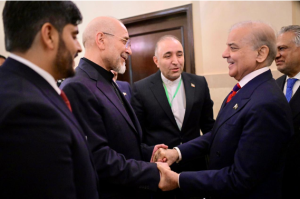
The prime minister expressed these views during a meeting with a senior Iranian delegation led by Mohammad Bagher Ghalibaf, Speaker of the Iranian Consultative Assembly.
The delegation also included Abbas Araghchi, according to a press release issued by the Prime Minister’s Office Media Wing.
During the meeting, both sides discussed matters of mutual interest, including regional security, evolving geopolitical dynamics, and the importance of sustained diplomatic engagement. Prime Minister Shehbaz Sharif highlighted Pakistan’s longstanding policy of advocating dialogue over confrontation and reaffirmed Islamabad’s willingness to play a bridging role among key regional and global stakeholders.
He noted that Pakistan’s diplomatic outreach is guided by its commitment to peace, mutual respect, and cooperation. The prime minister further underlined that Islamabad’s efforts are focused on reducing tensions and encouraging constructive dialogue among all parties involved in ongoing conflicts.
The Pakistani side was represented by senior leadership, including Deputy Prime Minister and Foreign Minister Ishaq Dar, Chief of Army Staff Field Marshal Asim Munir, and Interior Minister Mohsin Raza Naqvi.
Their presence underscored the importance Islamabad attaches to the diplomatic process and its determination to contribute to regional peace efforts.
The Iranian delegation acknowledged Pakistan’s role in hosting the talks and appreciated its efforts to facilitate dialogue at a critical juncture.
Observers believe that such engagements are crucial in fostering understanding and narrowing differences between conflicting parties, particularly in the context of ongoing tensions involving Iran and other global actors.
The Islamabad Talks 2026 are being viewed as a significant diplomatic initiative, with Pakistan positioning itself as a neutral facilitator seeking to bridge divides and promote dialogue. Analysts note that while achieving immediate breakthroughs may be challenging, sustained engagement remains essential for long-term peace and stability.
Meanwhile, stringent security measures have been put in place in the federal capital to ensure the smooth conduct of the talks.
Markets in the twin cities of Islamabad and Rawalpindi remained closed as part of heightened security arrangements, reflecting the sensitivity and importance of the diplomatic engagements underway.
Officials said the closure of commercial centers and deployment of additional security personnel were precautionary measures aimed at maintaining order and ensuring the safety of both local residents and international delegates participating in the talks.
Pakistan’s hosting of the talks comes at a time of heightened geopolitical tensions in the broader Middle East region.
The country has consistently advocated peaceful resolution of disputes and has called upon all parties to exercise restraint and engage in constructive dialogue.
Diplomatic observers suggest that Pakistan’s role as a mediator not only enhances its international standing but also reflects its strategic intent to contribute positively to global peace efforts.
The government has expressed hope that continued dialogue will pave the way for de-escalation and foster an environment conducive to long-term stability.
As discussions continue, Pakistan remains committed to facilitating engagement and encouraging all stakeholders to pursue diplomatic solutions, reaffirming its position as a responsible actor in the international community.