WASHINGTON, April 19 (Alliance News): Iran has said the strategic Strait of Hormuz will remain restricted until the United States lifts its naval blockade on Iranian ports, as officials caution that a final peace agreement is still distant.
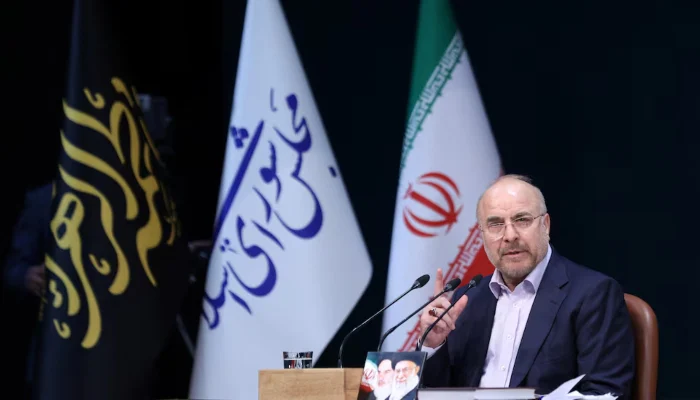
Speaking in a televised address, Iranian Parliament Speaker Mohammad Bagher Ghalibaf said progress had been made in talks with Washington, but “many gaps” and key issues remain unresolved. “We are still far from the final discussion,” he said.
A two-week ceasefire is due to expire on Wednesday, raising concerns about renewed escalation if it is not extended.
US President Donald Trump said “very good conversations” were underway with Iran but warned Tehran against attempting to “blackmail” Washington, stressing that the US would maintain a firm stance.
Iran had briefly declared the strait open following a ceasefire linked to the conflict involving Hezbollah in Lebanon, which had eased global market pressures.
However, Tehran reinstated restrictions after the US signaled it would continue its blockade until a broader agreement is reached.
Iran’s Revolutionary Guards warned that any vessel transiting the strait without authorization would be treated as cooperating with the enemy and could be targeted.
Reports from maritime agencies indicated several incidents involving ships, including gunfire and damage to vessels, further heightening tensions.
Meanwhile, diplomatic efforts continue, with Egypt and Pakistan engaged in mediation. Egyptian Foreign Minister Badr Abdelatty expressed cautious optimism about reaching an agreement in the coming days.
Key sticking points in negotiations include Iran’s stockpile of enriched uranium and the future status of the Strait of Hormuz.
While President Trump claimed Tehran had agreed to hand over its uranium reserves, Iranian officials rejected the assertion, saying the issue had not been discussed.
The broader conflict, which began with US-Israeli strikes on Iran earlier this year, has spread across the region, involving Gulf states and militant groups.
In a related development, Emmanuel Macron said a French UN peacekeeper was killed and others injured in an attack in Lebanon, blaming Hezbollah. United Nations Secretary-General Antonio Guterres condemned the incident, with initial UN findings also pointing to Hezbollah’s involvement.