 https://twitter.com/home https://www.facebook.com/Shabbir.Hussain191
By Shabbir Hussain
Lahore, April 28 (Alliance News): In an era where stress, anxiety, and emotional fatigue are quietly shaping lives, experts have warned that emotional well-being is no longer optional but a fundamental pillar of human health.
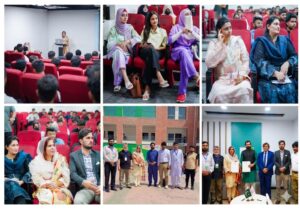
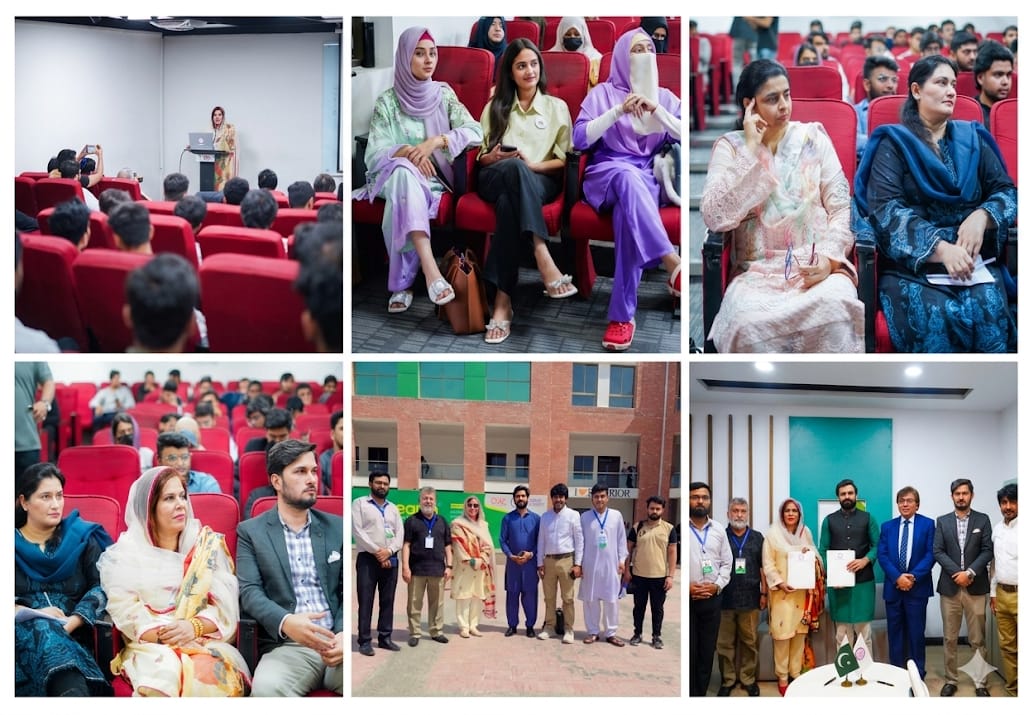
The concern was raised at a seminar organized by Meri Pehchan Welfare Foundation in collaboration with Superior University Lahore, where speakers described mental health challenges as a “silent epidemic” affecting the younger generation.
The event brought together medical professionals, academics, students, and social activists to examine how emotional instability is increasingly undermining both personal development and societal progress.
Participants stressed that while physical health often receives attention, emotional well-being remains neglected despite its deep impact on overall health.
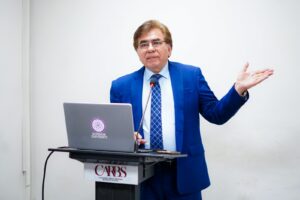
Prof. Dr. Fauzia Sajjad, Head of the Neurosurgery Department at Jinnah Hospital Lahore
Addressing the seminar, Prof. Dr. Fauzia Sajjad, Head of the Neurosurgery Department at Jinnah Hospital Lahore, highlighted the alarming rise in mental health issues, stating that emotional well-being has become a defining challenge of modern times.
She noted that today’s youth are facing unprecedented psychological pressures driven by academic competition, social expectations, economic uncertainty, and the growing influence of digital media.
“Emotional well-being is not a luxury; it is a necessity for survival and growth,” Dr. Sajjad said, adding that untreated emotional stress can evolve into serious conditions such as anxiety, depression, and neurological disorders.
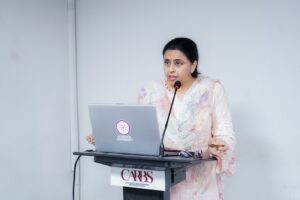
She explained that prolonged emotional distress directly affects brain function, impairing decision-making, focus, and cognitive performance.
Dr. Fauzia further elaborated on the strong connection between emotional and physical health, noting that chronic stress can weaken the immune system, elevate the risk of heart disease, and aggravate existing illnesses.
“The mind and body are deeply interconnected. When emotional health declines, physical health inevitably follows,” she added.
The seminar also highlighted the stigma surrounding mental health in Pakistan, where individuals often avoid seeking help due to fear of social judgment and lack of awareness.
Speakers emphasized the urgent need to normalize conversations around mental health and create safe spaces for individuals to seek support.
President of Meri Pehchan Welfare Foundation,
Ms. Shahida Naveed
President of Meri Pehchan Welfare Foundation, Ms. Shahida Naveed, termed emotional well-being the “need of the hour,” stressing that society must prioritize the most fundamental aspect of health that is currently at risk.
She pointed out that in today’s challenging environment, negative emotional patterns are increasingly dominating the mindset of students and youth.
“We are witnessing a rise in stress, frustration, and emotional imbalance among young people.
This trend must be addressed through awareness, counseling, and collective support,” she said, adding that ignoring emotional health can have long-term consequences for individuals and society.
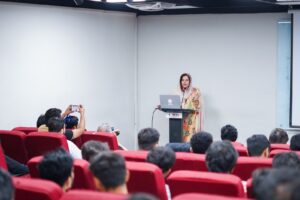
Representatives of Meri Pehchan Welfare Foundation shared that their organization is actively working to promote mental health awareness, particularly among marginalized communities.
Through education, skill development, and psychosocial support initiatives, they aim to empower individuals to lead healthier and more stable lives.
The collaboration with Superior University Lahore was described as a meaningful step towards integrating mental health awareness into academic settings.
University officials reaffirmed their commitment to fostering an environment where emotional and psychological well-being are treated as equally important as academic achievement.
Students attending the seminar welcomed the initiative, stating that such platforms help break the silence around mental health issues.
Many shared personal experiences, highlighting the importance of empathy, peer support, and professional guidance in coping with emotional challenges.
Experts also discussed practical strategies for improving emotional well-being, including maintaining healthy routines, staying physically active, building strong social connections, practicing mindfulness, and seeking professional help when needed.
They stressed that early education on mental health can play a key role in preventing emotional crises later in life.
The role of media and educational institutions was also underscored, with speakers calling for responsible reporting and awareness campaigns to reshape public perceptions and reduce stigma associated with mental health issues.
The seminar concluded with a consensus that emotional well-being must be treated as a national priority. Participants agreed that a coordinated effort involving government institutions, healthcare providers, academia, and civil society is essential to address the growing mental health crisis.
The event served as a powerful reminder that emotional well-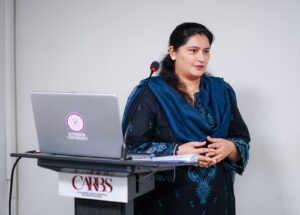 being is not just an individual concern but a collective responsibility.
As Pakistan navigates complex social and economic challenges, ensuring the emotional resilience of its people will be critical for sustainable development and long-term national stability.
The seminar concluded with a consensus that emotional well-being must be treated as a national priority. Participants agreed that a coordinated effort involving government institutions, healthcare providers, academia, and civil society is essential to address the growing mental health crisis.
Certificates of participation
Certificates of participation were also announced for the attendees in recognition of their active engagement, while special appreciation will be extended to leading contributors from both Meri Pehchan Welfare Foundation and Superior University Lahore for their constructive and impactful role in promoting mental health awareness.
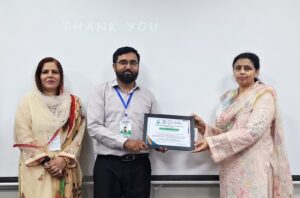
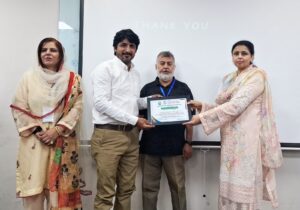
The organizers highlighted that such acknowledgments are aimed at encouraging continued efforts and strengthening collaborative initiatives for a healthier and more emotionally resilient society.
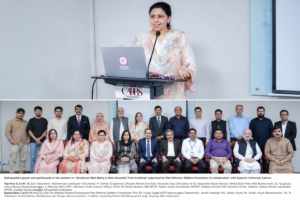
The event was attended by prominent figures including Ms. Shahida Naveed, Chairperson Meri Pehchan Welfare Foundation; Dr. Naushaba Hasan Murad, Chairperson WILL and Member Board of Governors UMT; Prof. Dr. Fauzia Sajjad, Head of Neurosurgery Department, Jinnah Hospital; Barrister Malik Salman, associated with ANF; Sir Rashid Bukhari, Managing Director BETS (British Education and Training Systems); Shakeel Ahmad, CEO Nutrition & Me; Kaleem Hafeez, Media Coordinator Meri Pehchan Welfare Foundation; Zulfiqar Ali, Volunteer; Mr. and Mrs. Sultan Hayat, UK-based businessman and volunteers; Abdul Basit Khan, retired bureaucrat; Shahid Zaheer, retired bureaucrat; Ghulam Rasool, Anchor; Fakhar Hayat, Coordinator Meri Pehchan Welfare Foundation; Rafaqat Butt, Volunteer; M. Safdar, Dispenser at Meri Pehchan Welfare Foundation; Ali Zain, Volunteer; Engr. Khawaja Tahir, Volunteer; Muhammad Jahangeer, Volunteer; Imran Younas, Cameraman from City 42; and Nouraiz Ejaz, Secretary to Dr. Naushaba Hasan Murad.