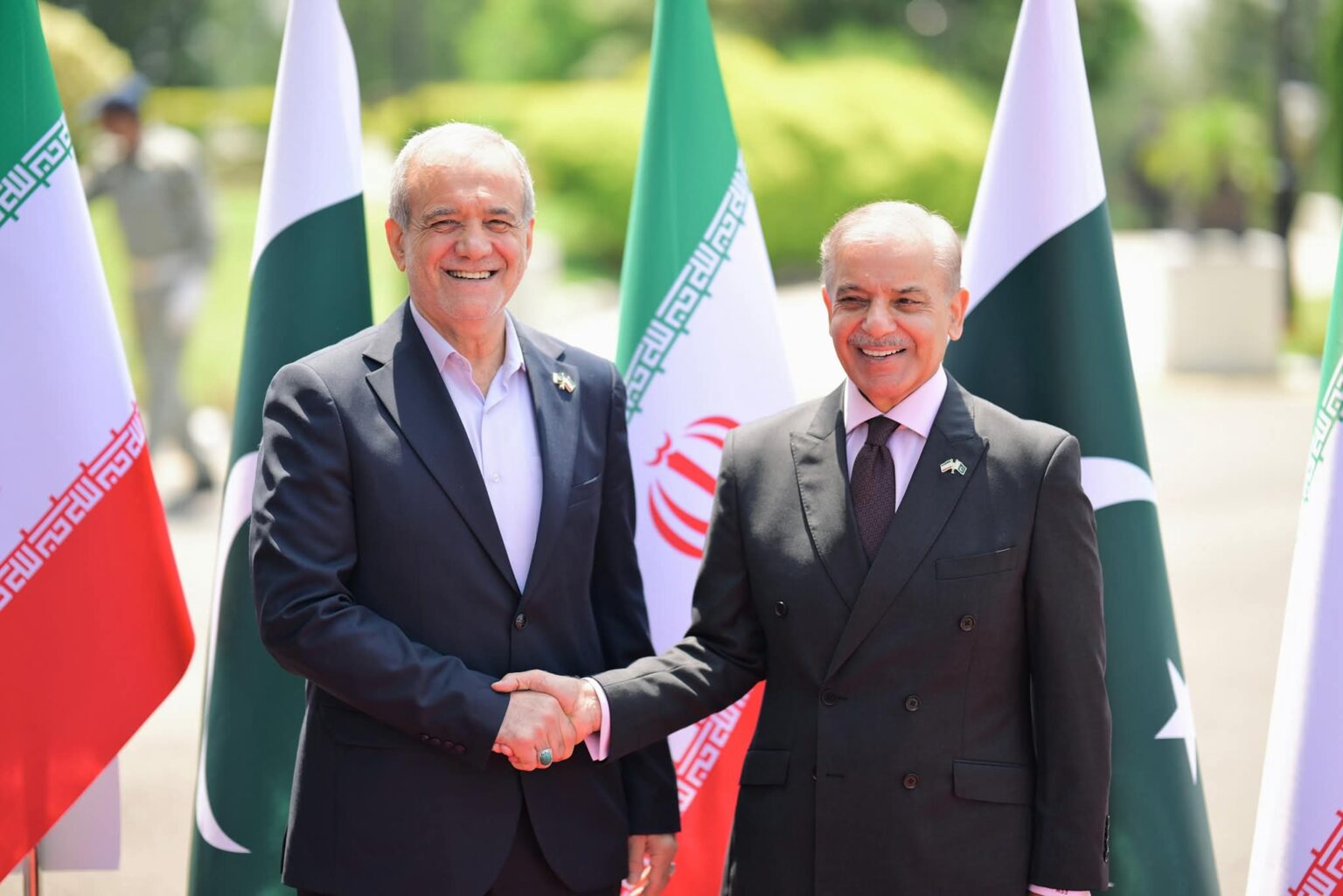
LONDON, April 06 (Alliance News): A British news agency has reported that Iran and the United States are reviewing a comprehensive proposal aimed at ending the ongoing conflict, with Pakistan playing a central diplomatic role in presenting the framework.
According to the report, Pakistan has put forward a two-phase plan for a ceasefire between Iran and the United States. The first phase proposes an immediate cessation of hostilities, followed by negotiations leading to a permanent peace agreement in the second phase.
The proposed framework also includes the reopening of the strategically important Strait of Hormuz upon implementation of the ceasefire. The report claims that Pakistan is acting as a key communication channel between the two sides, with ongoing contacts involving senior officials, including US Vice President JD Vance and Iranian Foreign Minister Abbas Araqchi.
The potential agreement has reportedly been termed the “Islamabad Accord,” with a 45-day temporary ceasefire under consideration as part of the initial phase. This aligns with earlier reports by Axios, which indicated that mediators are discussing a similar two-step arrangement involving a temporary truce followed by negotiations for a lasting settlement.
According to Axios, the first phase would likely involve a 45-day ceasefire during which both sides would engage in dialogue to finalize terms for a permanent agreement. If necessary, the temporary ceasefire could be extended to allow further negotiations.
Despite these diplomatic efforts, there has been no immediate response from the White House or the United States Department of State. Analysts suggest that while discussions are ongoing, the chances of reaching even a partial agreement in the next 48 hours remain limited. However, the initiative is being viewed as a crucial last attempt to prevent further escalation.
Earlier, The Wall Street Journal reported that Pakistan, along with Egypt and Turkey, has been actively working to persuade Iran to engage in negotiations. Despite these efforts, no major breakthrough has been achieved so far.
The report also noted that Iran has previously rejected US demands related to reopening the Strait of Hormuz, a key global energy route, highlighting the challenges facing ongoing diplomatic negotiations.
Observers say the coming days will be critical in determining whether the proposed “Islamabad Accord” can gain traction or if tensions between the two countries will continue to escalate.