
 https://twitter.com/home https://www.facebook.com/Shabbir.Hussain191
By Shabbir Hussain
ISLAMABAD, Jul 12 (Alliance News): Pakistan on Sunday expressed deep concern over the renewed escalation of tensions in the Middle East, urging all parties to exercise maximum restraint, immediately de-escalate the situation, and honour their commitments under the Islamabad Memorandum of Understanding (MoU).
In a statement, the Foreign Office reiterated Pakistan’s unwavering support for the sovereignty and territorial integrity of all brotherly countries in the region and stressed that dialogue and diplomacy remained the only viable path to achieving lasting peace and stability.
The statement came amid fresh military escalation after the United States and Iran exchanged missile and drone strikes, with Tehran targeting US military facilities in Gulf states and announcing the renewed closure of the strategically important Strait of Hormuz.
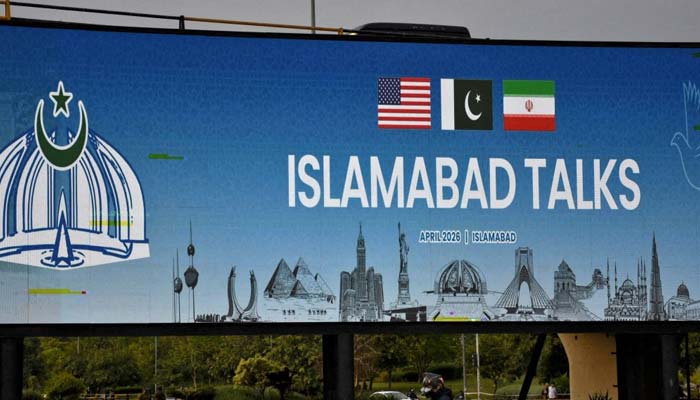
The latest developments have raised concerns over the future of the interim Islamabad Memorandum of Understanding signed last month, which had aimed to end hostilities, reopen the Strait of Hormuz to international shipping, and create space for continued negotiations between Washington and Tehran.
The Foreign Office called on all sides to avoid actions that could further worsen the regional security environment.
“Pakistan reiterates its strong support for the sovereignty and territorial integrity of all brotherly countries in the region and urges all sides to exercise restraint, take immediate steps towards de-escalation, and uphold their respective commitments under the Islamabad Memorandum of Understanding (MoU),” the statement said.
The Foreign Office reaffirmed Pakistan’s commitment to supporting all efforts aimed at promoting lasting peace and stability in the region through constructive engagement.
“Pakistan remains committed to providing all possible support towards achieving lasting peace and stability in the region through dialogue and diplomacy,” it added.
Earlier on Sunday, Deputy Prime Minister and Foreign Minister Ishaq Dar held a telephone conversation with Iranian Foreign Minister Abbas Araghchi to discuss the evolving regional security situation.
According to the Foreign Office, Dar underscored that dialogue and diplomacy remained the only sustainable means of resolving disputes and preventing further escalation.
He urged all parties to pursue de-escalation, exercise restraint, and implement the commitments agreed under the Islamabad MoU.
The two foreign ministers also exchanged views on the latest regional developments and agreed to remain in close contact to support peace and stability efforts.
The renewed tensions follow a series of military exchanges between the United States and Iran after attacks on commercial shipping in the Strait of Hormuz. Iran has maintained that the strategic waterway will remain closed until what it describes as the end of US interference in the region.
The Strait of Hormuz is one of the world’s most important maritime routes, through which a significant share of global oil exports passes. Any disruption to shipping through the waterway has immediate implications for global energy markets and international trade.
Pakistan has consistently advocated diplomatic engagement and peaceful dialogue to resolve regional disputes and has called on all stakeholders to avoid steps that could further destabilise the Middle East.