
 https://twitter.com/home https://www.facebook.com/Shabbir.Hussain191
By Shabbir Hussain
ISLAMABAD, May 17 (Alliance News): The Punjab Irrigation Department has launched province-wide pre-flood inspections of irrigation infrastructure, including spurs, embankments and canal headworks, as part of preparations to minimize the impact of potential flooding during the upcoming monsoon season.
The inspection campaign is being carried out by specially designated technical teams in coordination with allied government departments and law enforcement agencies to ensure the safety and operational readiness of critical flood protection infrastructure across Punjab.
Officials said the initiative aims to identify weak or damaged structures before the onset of monsoon rains so that immediate repair and reinforcement work can be undertaken to avoid flood-related disasters.
Director of the Irrigation Research Institute (IRI) Punjab, Dr. Ghulam Zakir Hassan Sial, said the structural audit of embankments and spurs along major rivers in Punjab is an ongoing process.
Speaking to Wealth Pakistan, he stated that inspection teams are continuously evaluating the condition of flood protection structures and any weaknesses identified are being addressed immediately in light of technical recommendations.
According to Dr. Sial, timely strengthening and rehabilitation of vulnerable infrastructure would help prevent a repeat of the devastating 2025 flood situation during the upcoming monsoon season, which typically begins in mid-June.
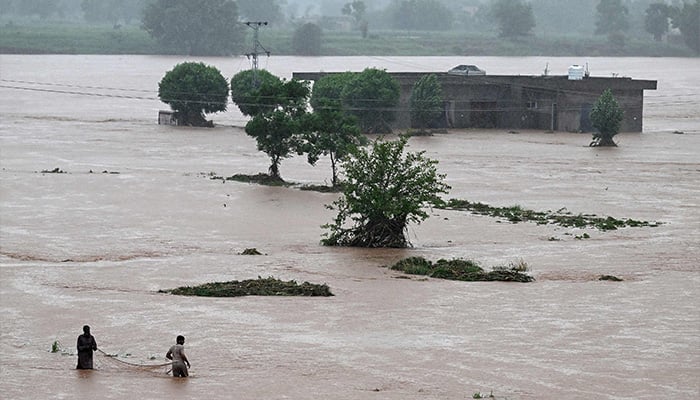
Punjab experienced severe flooding during August and September last year after heavy monsoon rains combined with upstream water releases from India caused rivers including the Ravi, Chenab and Sutlej to overflow.
The floods affected more than 3.9 million people across Punjab, submerging thousands of villages in 28 districts and forcing large-scale evacuations.
Officials reported that at least 48 people lost their lives in what was described as one of the most severe flooding events witnessed in the province in decades.
Dr. Sial highlighted that despite the crisis, the Irrigation Research Institute successfully utilized part of the floodwater through innovative water management techniques under a Managed Aquifer Recharge (MAR) initiative.
He explained that approximately 12,000 acre-feet of floodwater was diverted through the Old Mailsi Canal at Islam Headworks on the Sutlej River to recharge underground water reserves.
According to him, a total of 144 recharge wells were constructed within the canal bed as part of the initiative, transforming floodwater from a disaster risk into a valuable water conservation opportunity.
Meanwhile, the Ravi Urban Development Authority has accelerated work on embankment construction projects along the River Ravi to protect residential areas and housing societies in Lahore from future flooding.
RUDA spokesperson Sher Afzal Butt said the authority is constructing 46-kilometer-long embankments on both sides of the Ravi River to enhance flood protection for Lahore and surrounding communities.
He stated that the protective structures are being developed from Ravi Syphon to Jhok Forests as part of broader flood mitigation measures.
Under the project, the riverbed is also being widened to at least one kilometer to improve water channelization capacity and facilitate smoother water flow during periods of peak flooding.
Officials said the expansion would help reduce pressure on surrounding urban settlements and minimize the risk of inundation during heavy monsoon seasons.
Lahore experienced its first major Ravi River flooding in nearly four decades last year after intense rainfall and substantial upstream water releases significantly increased river levels.
The flooding caused serious concerns for urban infrastructure, residential societies and low-lying areas near the river, prompting authorities to prioritize preventive measures ahead of the upcoming monsoon.
In parallel, the Provincial Disaster Management Authority has initiated work on an integrated flood management plan aimed at strengthening coordination among departments responsible for emergency response, infrastructure management and rescue operations.
A spokesperson for the PDMA Punjab said preparations for relief and rescue operations are already underway to ensure authorities remain fully prepared to respond to any flood emergencies during the monsoon season.
The spokesperson added that various government departments are sharing technical input and operational plans to improve coordination and emergency preparedness across vulnerable districts.
Climate experts warn that Pakistan remains highly vulnerable to extreme weather events linked to climate change, including increasingly unpredictable monsoon rainfall, flash floods and glacial melting.
Analysts say improved flood preparedness, infrastructure strengthening and integrated water management strategies are becoming increasingly critical for Pakistan as climate-related disasters continue to intensify.
Experts also emphasize the importance of modern flood forecasting systems, river management and community preparedness to reduce human and economic losses during future monsoon emergencies.
Officials believe the current pre-flood inspection campaign and infrastructure reinforcement projects will help strengthen Punjab’s resilience against seasonal flooding while improving long-term disaster preparedness and water management capabilities.