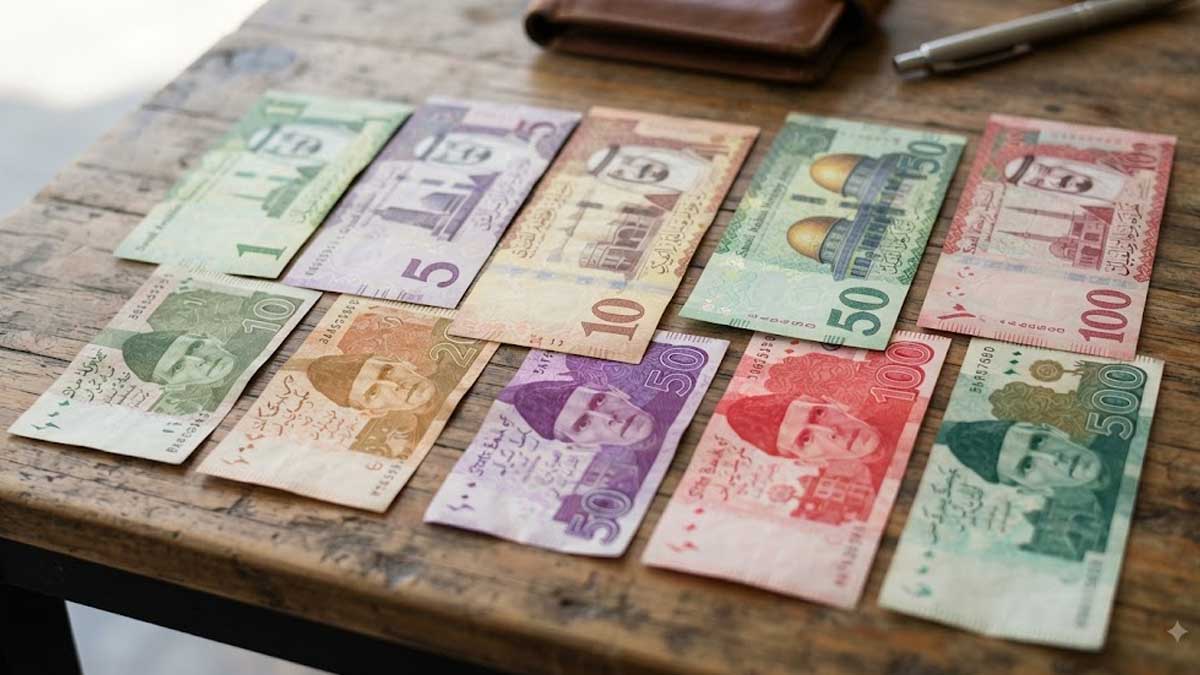
KARACHI, Aug 15 (Alliance News): The Saudi Riyal remained relatively stable against the Pakistani Rupee during the week, trading in the mid-to-low Rs74 range in the interbank market.
The interbank rate stood at around Rs74.15 per Saudi Riyal on August 10, Rs74.16 on August 11, Rs74.10 on August 12, Rs74.22 on August 13 and Rs73.89 on August 14. On August 15, the rate remained between Rs73.89 and Rs73.96 per Riyal.
In the open market, buying rates generally ranged between Rs74.10 and Rs74.65, while selling rates were around Rs74.70 to Rs75.20 or higher, depending on the exchange company and market conditions.
Actual rates offered by banks and exchange companies may vary because of spreads, service charges and other margins.
The Saudi Riyal has remained relatively stable despite pressure on regional currencies caused by geopolitical tensions and higher energy prices. The ongoing conflict involving Iran and repeated concerns over the security of shipping through the Strait of Hormuz have contributed to volatility in global oil and financial markets.
Higher oil prices and increased shipping costs can put additional pressure on Pakistan’s import bill because the country relies heavily on imported energy. This can affect foreign exchange demand and create pressure on the Pakistani Rupee.
However, the Pakistani currency has shown relative resilience, supported by improved external inflows, remittances and financial support from international and regional partners.
Saudi Arabia remains an important source of remittances for Pakistan, creating regular demand and supply for the Saudi Riyal in the local foreign exchange market.
The currency is particularly important for Pakistanis travelling to Saudi Arabia for Hajj and Umrah. Pilgrims require Saudi Riyals to meet expenses related to accommodation, food, transportation and other services during their stay.
The Riyal is also purchased by some investors and overseas Pakistanis because of its long-standing stability and its fixed exchange-rate relationship with the US dollar.
Remittances from Pakistani workers in Saudi Arabia also contribute to regular Riyal inflows into Pakistan. These funds are converted into Pakistani Rupees by families and businesses, helping maintain liquidity in the local currency market.
Financial products denominated in Saudi Riyals, including investment certificates available to overseas Pakistanis, have also contributed to demand for the currency.
Market participants are expected to continue monitoring developments in the Middle East, oil prices, Pakistan’s foreign exchange reserves, remittance flows and broader dollar movements, all of which can influence the Riyal-Rupee exchange rate.
For consumers, the rate offered by individual banks and exchange companies remains the most relevant figure when buying or selling Saudi Riyals, as retail rates can differ from interbank or indicative market rates.