KARACHI, Aug 06 (Alliance News): The Sindh Cabinet on Wednesday approved the imposition of toll tax on the 135-kilometre Nawabshah-Ranipur Mehran Highway, the import of 0.5 million metric tons of wheat and a 7.5 percent increase in the provincial minimum wage, alongside key decisions on land governance reforms.
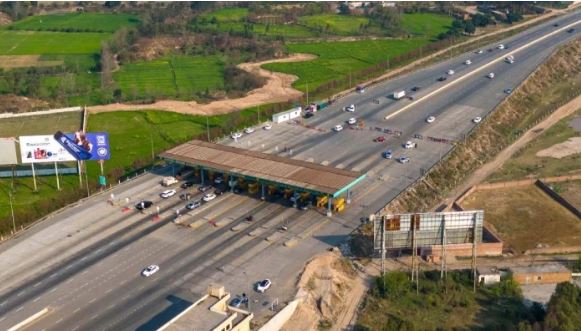
The meeting, chaired by Chief Minister Murad Ali Shah, approved a tolling system for the dualised Mehran Highway, primarily targeting heavy and commercial vehicles to generate dedicated funds for road maintenance and rehabilitation.
The cabinet was informed that the Rs41 billion dualisation project is currently underway and that the proposed toll system is expected to generate Rs2.14 billion in annual gross revenue and Rs1.48 billion in net annual income after operational expenses.
Officials said the revenue would be used exclusively for the operation, maintenance, rehabilitation and improvement of the highway and related infrastructure. The cabinet also approved a class-based fixed toll rate system and the proposed toll collection and revenue management mechanism.
To strengthen food security, the cabinet approved the import of 0.5 million metric tons (MMT) of wheat through the Trading Corporation of Pakistan (TCP) for the 2026-27 fiscal year.
The meeting was informed that Sindh is expected to face a wheat shortfall of 1.69 million metric tons, with projected availability of 4.84 million metric tons against an annual consumption requirement of 6.53 million metric tons.
The cabinet also approved the recommendations of the Minimum Wages Board, increasing the provincial minimum wage by 7.5 percent with effect from July 1, 2026.
Under the revised rates, the monthly minimum wage for unskilled workers has been raised from Rs40,000 to Rs43,000, while wages for semi-skilled, skilled and highly skilled workers have also been increased. The revised rates will apply to notified industrial and commercial establishments across Sindh.
The cabinet further reviewed the proposed Sindh Government Lands Management Bill, 2026, which seeks to replace the Colonisation of Government Lands Act, 1912, with a modern legal framework for the management and allocation of government land.
The proposed legislation aims to introduce market-based land valuation, transparent auction procedures, stronger enforcement mechanisms and an effective grievance redressal system covering agricultural, industrial, residential, commercial and public-purpose land.
Following detailed deliberations, the chief minister constituted a committee comprising the provincial law minister, local government minister, the Office of the Advocate General Sindh and other officials to further review the draft legislation before its presentation to the Sindh Assembly.