ISLAMABAD, July 10 (Alliance News): Children who witness domestic violence often suffer lifelong emotional and psychological trauma, even if they are never physically abused, according to mental health experts and social workers.
Experts say children growing up in violent homes are at greater risk of anxiety, depression, emotional withdrawal, aggression and difficulty building healthy relationships later in life. Many also struggle with fear, low self-esteem and trust issues that can continue into adulthood.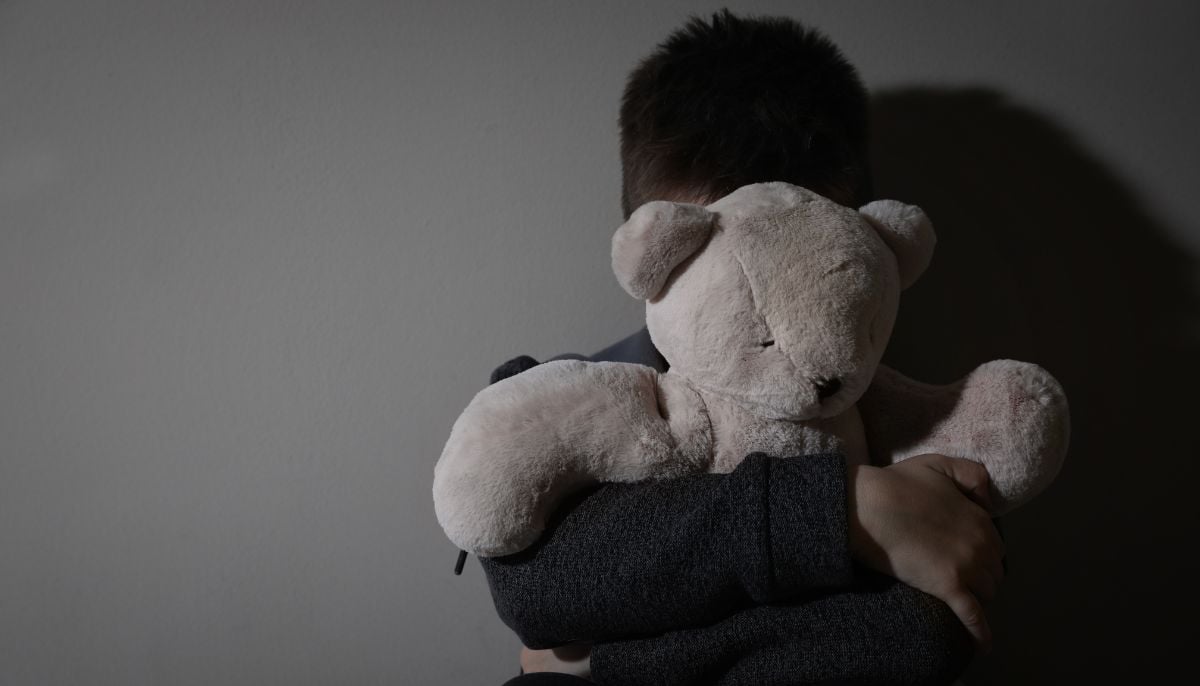
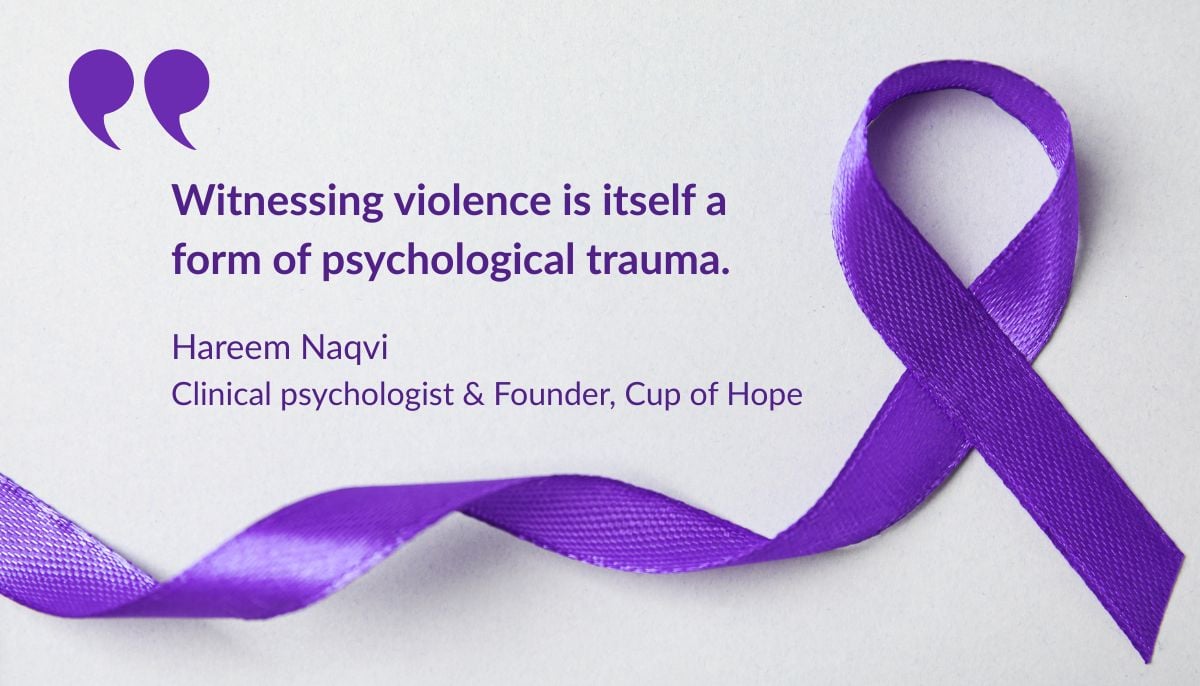
Mental health professionals explained that repeated exposure to violence affects a child’s emotional development and stress response, leaving them constantly alert and anxious. They stressed that witnessing violence is itself a form of psychological trauma.
According to international studies by the World Health Organization (WHO) and UNICEF, children exposed to domestic violence are more likely to develop mental health disorders and behavioural problems, while research on Adverse Childhood Experiences (ACEs) links childhood trauma to long-term health and social challenges.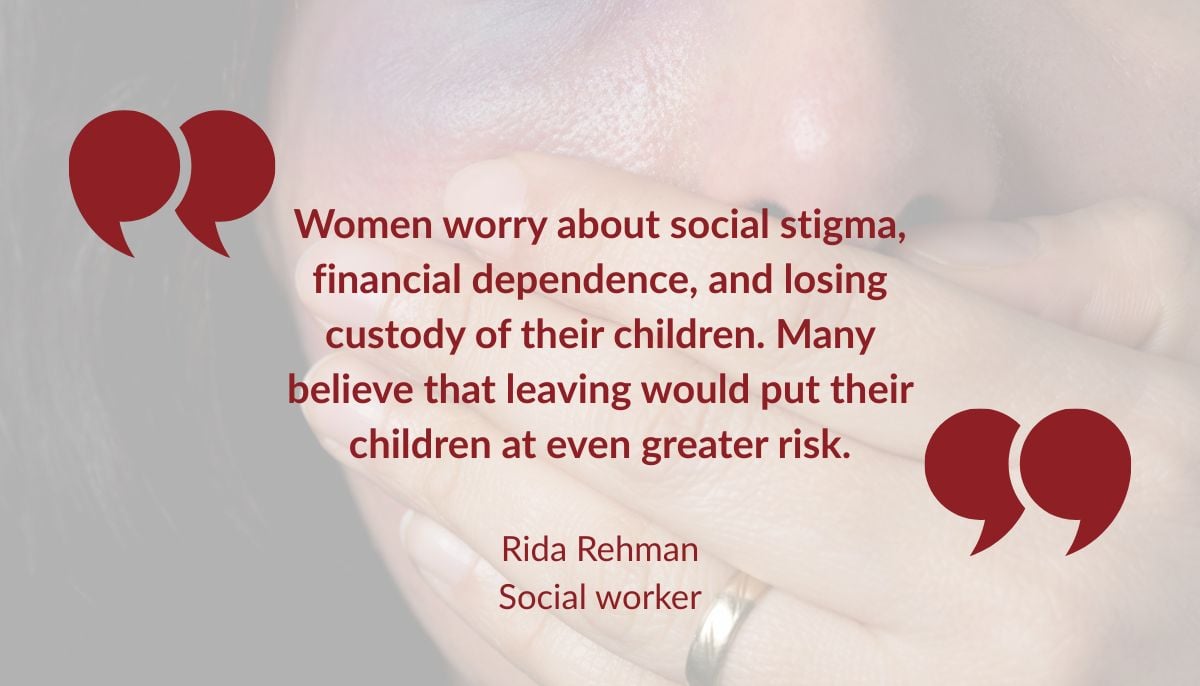
Social worker Rida Rehman said fear, financial dependence and social stigma often prevent women from leaving abusive relationships, leaving children to grow up in unsafe environments.
She noted that Pakistan has only limited services for children affected by domestic violence, with support mainly available through a few organisations in major cities.
Clinical psychologist Hareem Naqvi said early intervention through counselling, Cognitive Behavioural Therapy (CBT), family therapy and other trauma-informed approaches can help children recover and reduce long-term psychological harm.
Experts also highlighted the shortage of mental health professionals and child-focused trauma services in Pakistan, saying schools often lack trained counsellors to identify children suffering from emotional trauma.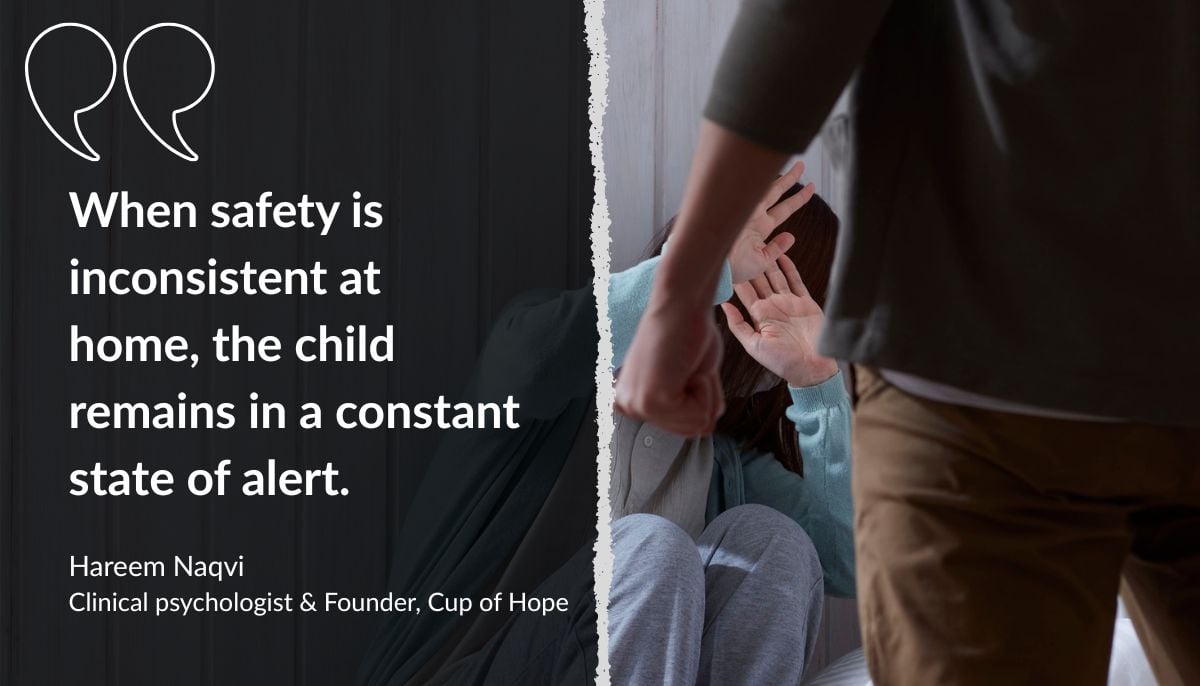
They called for stronger legal protection for victims, improved access to mental health services, trauma-informed education, and greater public awareness to break the cycle of domestic violence.
Experts stressed that protecting children requires recognising them as victims of domestic violence and ensuring they receive the support needed to heal and rebuild their lives.