ISLAMABAD, July 6 (Alliance News): Minister of State for Railways and Finance Bilal Azhar Kayani said on Monday that the number of active digital payment merchants in Pakistan has surpassed two million, marking a major milestone in the government’s efforts to build a cashless economy.
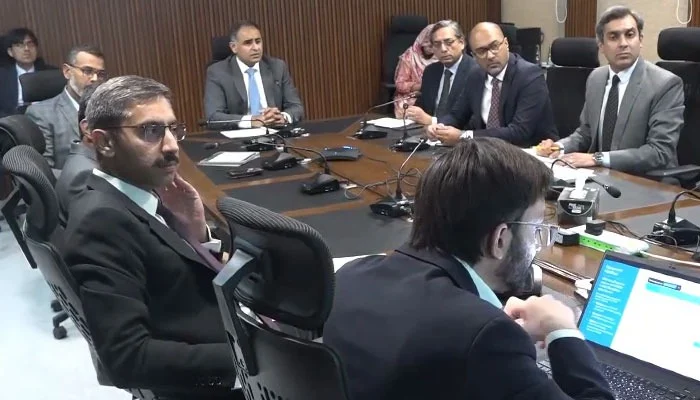
Chairing a high-level review meeting at the Finance Division, Kayani assessed the progress made during the first year of the government’s Cashless Pakistan initiative, launched in June 2025 under the direct supervision of Prime Minister Shehbaz Sharif.
According to an official statement, annual digital transactions increased significantly from 6.9 billion to 11.3 billion over the past year. The number of active digital payment merchants rose from 500,000 to more than two million, driven largely by the nationwide rollout of the Raast QR Code initiative. Meanwhile, the number of digital banking users expanded to over 135 million.
The Cashless Pakistan initiative is built on three key pillars: improving public convenience, enhancing transparency and accelerating the formal documentation of the economy through digital payments.
During the meeting, Kayani also highlighted progress in financial inclusion, which has increased to 69%, while the gender gap in access to financial services has continued to narrow through targeted government interventions.
The minister reviewed ongoing efforts to digitise the public sector, noting that 25 high-impact federal and provincial institutions have been identified for complete integration with the Raast digital payment system by December 2026.
He further said that around 75% of government-to-person (G2P) payment acceptance has already been digitised across both centralised and self-accounting public entities, reflecting steady progress in modernising government financial services.
Kayani stressed the need to maintain the pace of reforms by strengthening collaboration with regulators, financial institutions, fintech companies and the private sector to expand digital payments, improve financial inclusion and promote a transparent, documented economy.
Emphasising accountability, the minister directed officials to validate reported progress, address data gaps and eliminate duplication in reporting. He added that an independent third-party assessment has already begun to verify achievements and ensure transparency in the use of public funds.