ISLAMABAD, July 18 (Alliance News): Pakistan has conveyed to Iran that any Houthi attacks on Saudi Arabia would be regarded as attacks on Pakistan itself, a senior Pakistani official said, as recent missile strikes on the Kingdom raised Islamabad’s security concerns and heightened regional tensions.
“Our top civil and military leadership has conveyed to Iran at the highest level that attacks on Saudi Arabia are attacks on Pakistan. It is our red line,” a Pakistani official told Reuters on condition of anonymity.
The development comes after Yemen’s Houthi movement launched missile attacks on Saudi Arabia this week, accusing the Kingdom of carrying out airstrikes on an airport under its control. The incident marked a serious escalation after a four-year period of relative calm, although hostilities have so far remained limited.
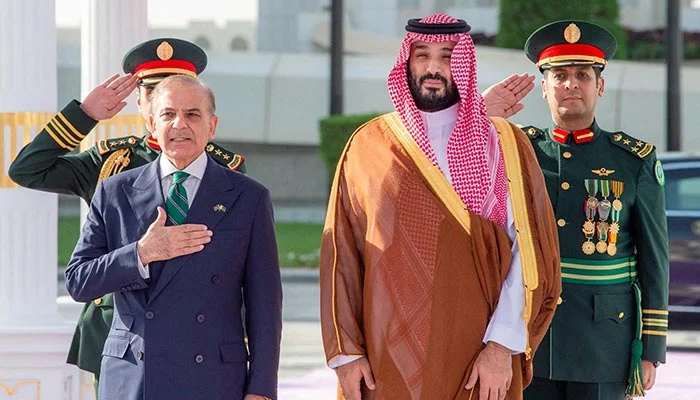
Pakistan and Saudi Arabia signed a mutual defence agreement last year under which both countries agreed to treat aggression against either state as an attack on both. The agreement has strengthened defence cooperation and strategic coordination between the two longstanding allies.
According to Pakistani officials, military personnel from Pakistan are currently deployed near the Saudi-Yemen border, increasing Islamabad’s direct exposure to any further deterioration in the security situation.
Officials and analysts said the latest Houthi attacks have significantly raised Pakistan’s concerns, particularly due to the country’s close strategic, economic and defence ties with Saudi Arabia.
Security experts noted that while Pakistan has been actively engaged in diplomatic efforts to ease tensions between the United States and Iran, the recent escalation has complicated Islamabad’s balancing role in the region.
One security analyst said Pakistan had not anticipated such a rapid rise in tensions but remains committed to supporting regional peace and stability.
Another analyst observed that Pakistan’s leadership is continuing efforts to engage all stakeholders diplomatically, although any expansion of Houthi attacks inside Saudi Arabia could further complicate Islamabad’s position.
The renewed tensions have also revived concerns over the security of vital maritime trade routes, particularly in the Red Sea and surrounding waterways, which are crucial for Pakistan’s energy imports and international trade.
Pakistan relies heavily on Middle Eastern countries for oil and gas supplies. Earlier disruptions around the Strait of Hormuz prompted Islamabad to adopt emergency measures, including energy conservation initiatives and adjustments to business hours, to manage fuel supplies.
Officials said Pakistan’s mediation efforts between Washington and Tehran have been driven not only by diplomatic considerations but also by the need to ensure uninterrupted regional trade and energy flows.
“We have invested considerable effort in this mediation process and have an interest in ensuring that it continues,” one Pakistani official said.
Despite its diplomatic engagement, officials acknowledged that Pakistan’s longstanding strategic partnership with Saudi Arabia remains a key pillar of its foreign and security policy.
Another source familiar with the mediation process said Pakistan continues to support efforts aimed at ending the conflict peacefully but reiterated that the country’s commitment to Saudi Arabia remains firm.
“It is in everyone’s interest for the conflict to end, but if Saudi Arabia seeks our support, Pakistan will stand by the Kingdom without hesitation,” the source said.
Regional observers believe Islamabad will continue pursuing diplomacy while closely monitoring developments that could affect regional security, energy supplies and economic stability.