ISLAMABAD, July 18 (Alliance News): Pakistan has hired a United States lobbying firm under a two-year agreement aimed at strengthening bilateral security cooperation, attracting investment in the country’s strategic minerals sector and enhancing engagement with key US policymakers, according to a report.
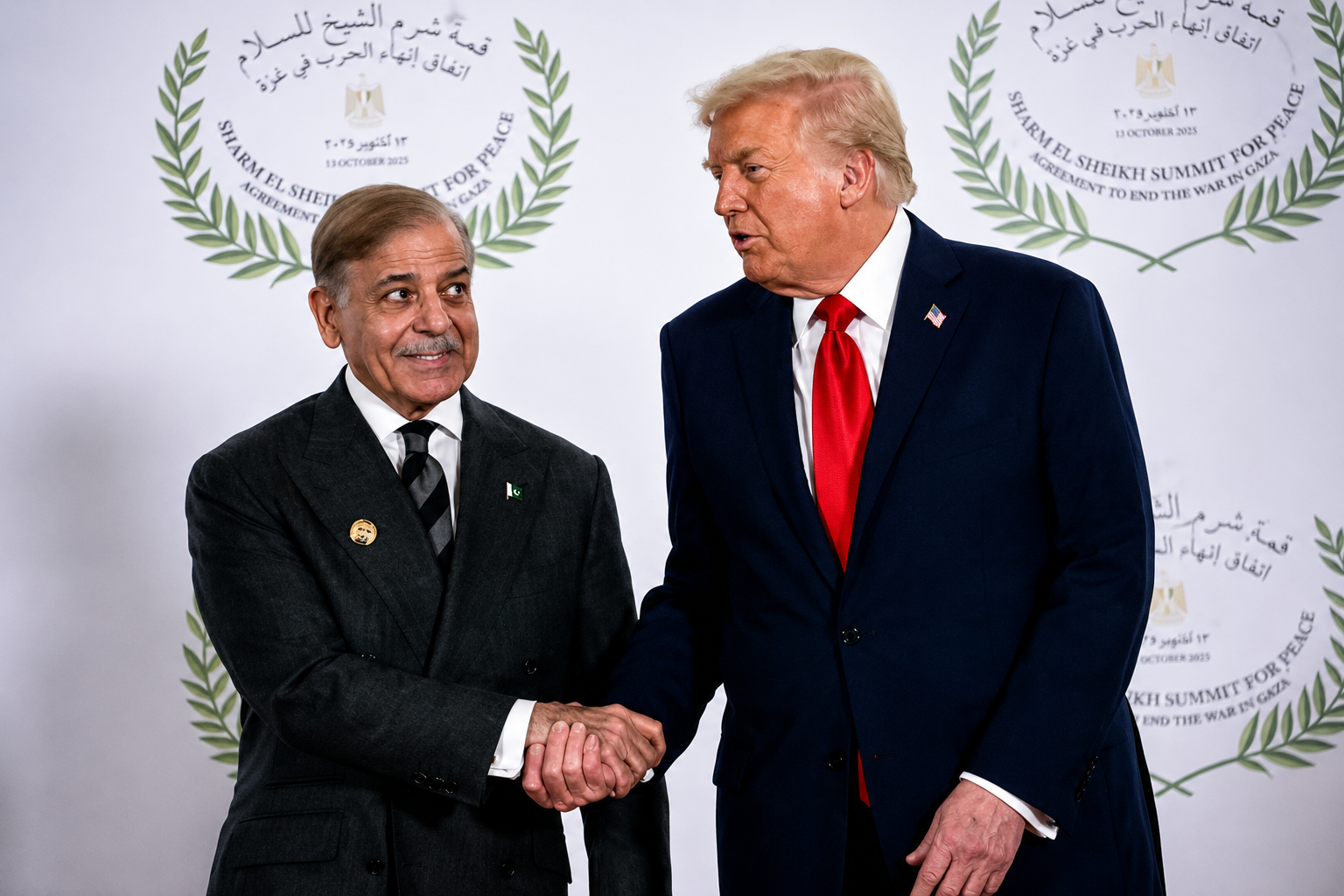
According to AFP, the agreement, valued at $1.2 million, was filed under the US Foreign Agents Registration Act (FARA) and became effective in May this year. The contract comes at a time when Pakistan is seeking to build on improved relations with Washington following its diplomatic role in mediating between the United States and Iran.
Under the agreement, the Capitol Hill-based Ervin Graves Strategy Group will engage with members of the US Congress, the administration and senior officials from the Pentagon and the National Security Council. The firm will also facilitate high-level meetings and provide strategic advice on strengthening Pakistan-US relations.
The latest contract expands an earlier short-term arrangement signed between Pakistan’s Embassy in Washington and the lobbying firm in October last year. Under the new agreement, the monthly payment has doubled to $50,000.
The report said governments around the world routinely hire lobbying firms in Washington to strengthen diplomatic engagement, promote national interests and improve access to policymakers.
According to the contract, Pakistan is seeking the resumption of structured bilateral defence and security dialogue with the United States, including the revival of the Defence Consultative Group (DCG), which played a central role in defence cooperation during the Afghanistan conflict.
The agreement also directs the lobbying firm to highlight Pakistan’s counterterrorism efforts and security challenges, particularly threats originating from Afghanistan, while advocating continued US support in combating terrorism.
A source familiar with the matter told AFP that Pakistan’s diplomatic role in facilitating indirect negotiations between Washington and Tehran had created an opportunity to strengthen bilateral ties beyond personal relationships.
“We want to go beyond personal relationships so that the relationship becomes more institutionally based and can outlast changes in government,” the source said.
Former Pakistan Ambassador to the United States Maleeha Lodhi cautioned that although relations have improved significantly, the long-term sustainability of the partnership remains uncertain due to the history of fluctuating ties between the two countries.
“The dramatic improvement in relations may not necessarily be permanent given the history of ups and downs in bilateral relations,” she was quoted as saying.
A US State Department spokesperson said both countries continue to identify areas of mutual cooperation, particularly in trade and selected security priorities.
The contract places particular emphasis on Pakistan’s vast minerals sector, directing the lobbying firm to identify investment opportunities and recommend strategies for attracting American companies.
The agreement seeks to promote cooperation in critical minerals, a sector that has become a strategic priority for the United States amid growing global demand for copper and other essential resources used in advanced technologies and clean energy.
Analysts believe Pakistan’s mineral-rich province of Balochistan offers significant investment potential, particularly the Reko Diq copper and gold project, one of the world’s largest undeveloped copper deposits.
The report noted that the United States pledged $1.25 billion in support of the Reko Diq project in December last year, signalling growing American interest in Pakistan’s mining sector.
Elizabeth Threlkeld, a former US diplomat and Director of the South Asia Programme at the Stimson Center, said the lobbying agreement reflects priorities that align with the current US administration, including critical minerals and counterterrorism cooperation.
She added that Pakistan also aims to broaden support for bilateral relations by engaging members of Congress alongside executive branch officials.
Shuja Nawaz, an Atlantic Council fellow and author on Pakistan-US relations, said defence cooperation between the two countries has continued despite changes in regional security dynamics following the US withdrawal from Afghanistan.
A Pakistani security source told AFP that intelligence cooperation between Islamabad and Washington had remained active and contributed to last year’s arrest of an Islamic State operative allegedly linked to the 2021 Kabul airport attack.
The report said Pakistan hopes that stronger institutional engagement with Washington, combined with expanded economic cooperation, will help establish a more stable and long-term partnership.
Analysts, however, believe Pakistan must continue strengthening its domestic economy and investment climate to attract sustained foreign investment and deepen strategic relations with the United States.