
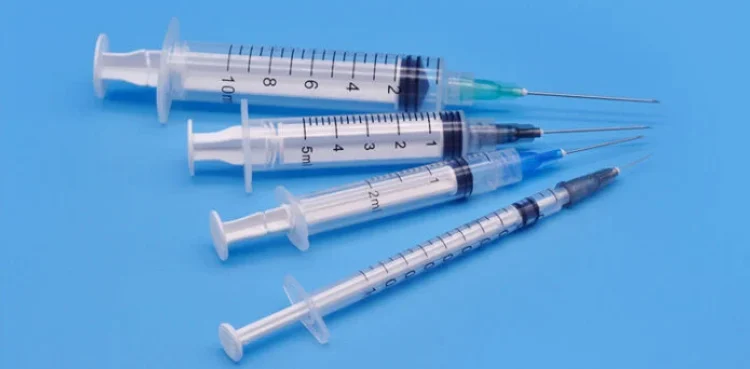
ISLAMABAD, July 6 (Alliance News): Pakistan will ban the manufacture, import, and sale of conventional disposable syringes from January 1, 2027, as part of a nationwide initiative to curb the spread of HIV/AIDS and other infectious diseases caused by the reuse of syringes.
According to the Drug Regulatory Authority of Pakistan (DRAP), the ban will take effect after December 31, 2026, making it illegal to manufacture, import, or sell conventional 1cc and 10cc disposable syringes. From January 2027, only safety-engineered auto-disable (auto-lock) syringes will be allowed for sale across the country.
DRAP said the decision was made on the directives of Prime Minister Shehbaz Sharif to strengthen infection prevention measures and eliminate the risk of disease transmission resulting from the reuse of disposable syringes.
Under the new policy, conventional syringes will be replaced with auto-disable safety syringes designed to lock automatically after a single use, preventing reuse and significantly reducing the risk of spreading blood-borne infections.
The regulatory authority has issued formal notifications to syringe manufacturers and importers, while the DRAP Medical Devices Board has approved the implementation of the ban.
However, conventional 10cc syringes will remain available under strict controls for specialized medical procedures in secondary and tertiary care public and private hospitals. To ensure transparency and prevent misuse, DRAP will introduce a digital tracking portal, requiring hospitals to upload data on the procurement and use of these syringes.
The move follows DRAP’s recent declaration that several batches of auto-disable syringes produced by six manufacturers were substandard after laboratory testing found they failed to meet required auto-disable functionality standards. The authority has since issued a medical product alert and directed healthcare providers to ensure compliance with approved quality standards.
Health experts have welcomed the policy, describing it as a significant step toward improving patient safety and reducing the transmission of infectious diseases in Pakistan’s healthcare system.